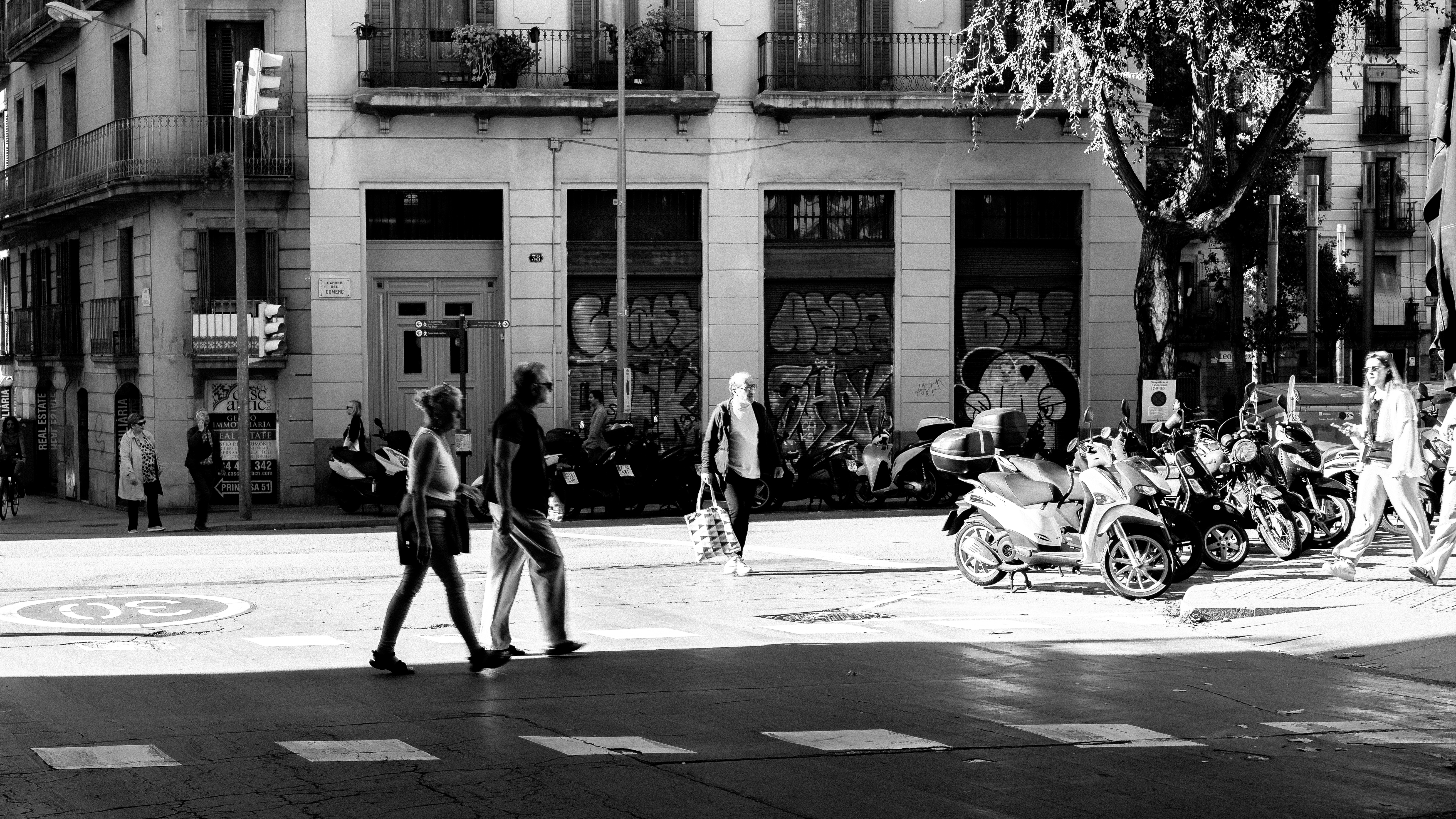
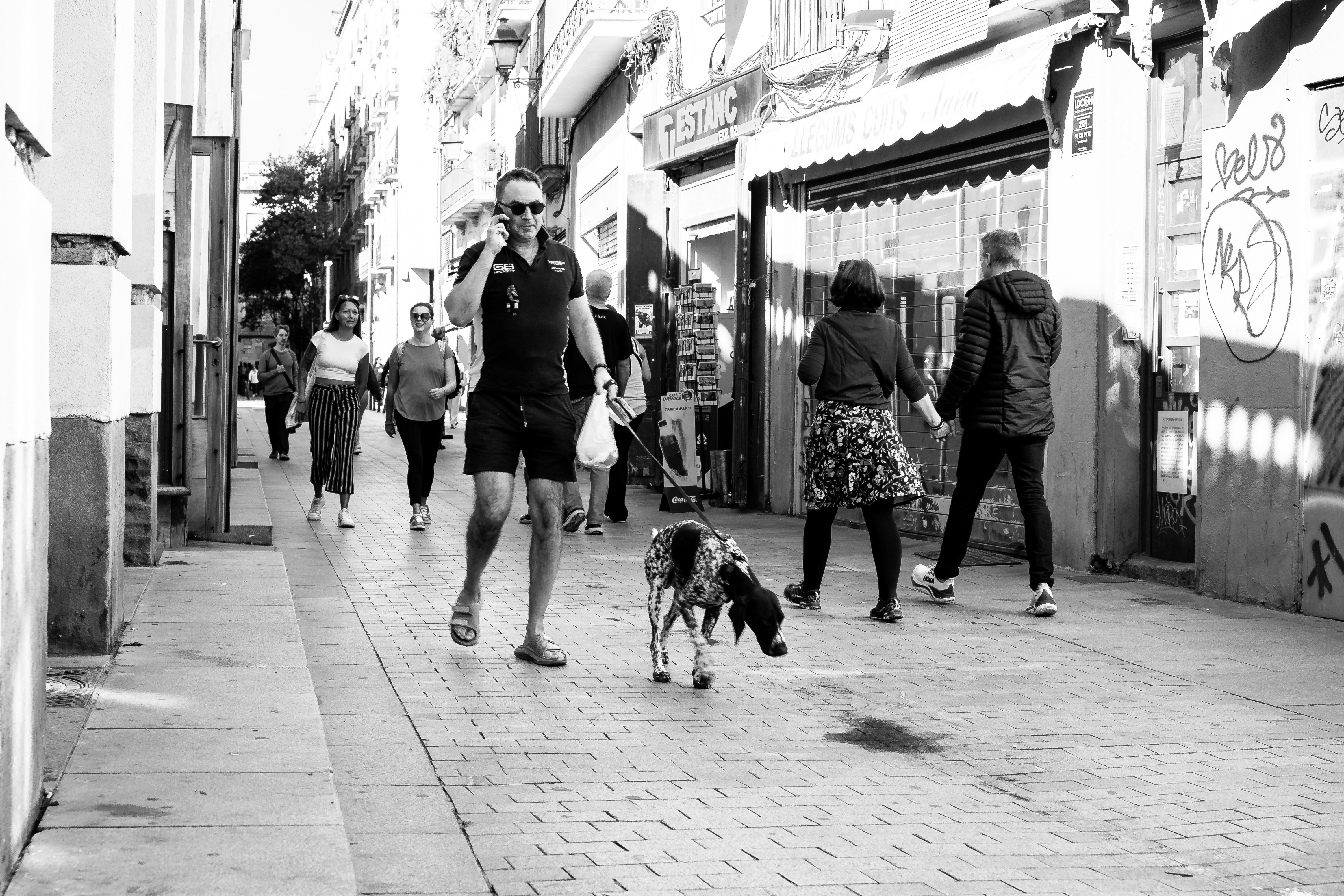
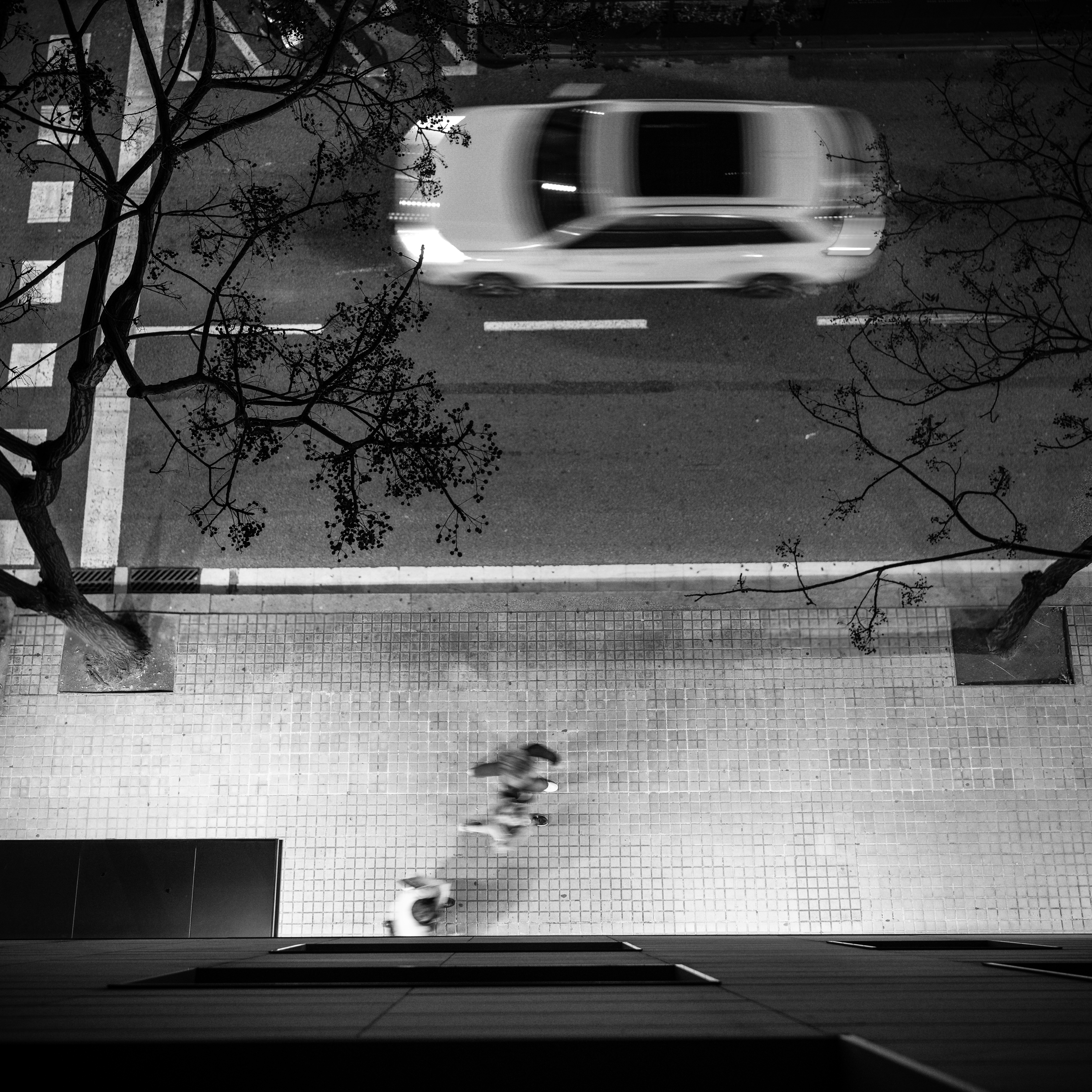
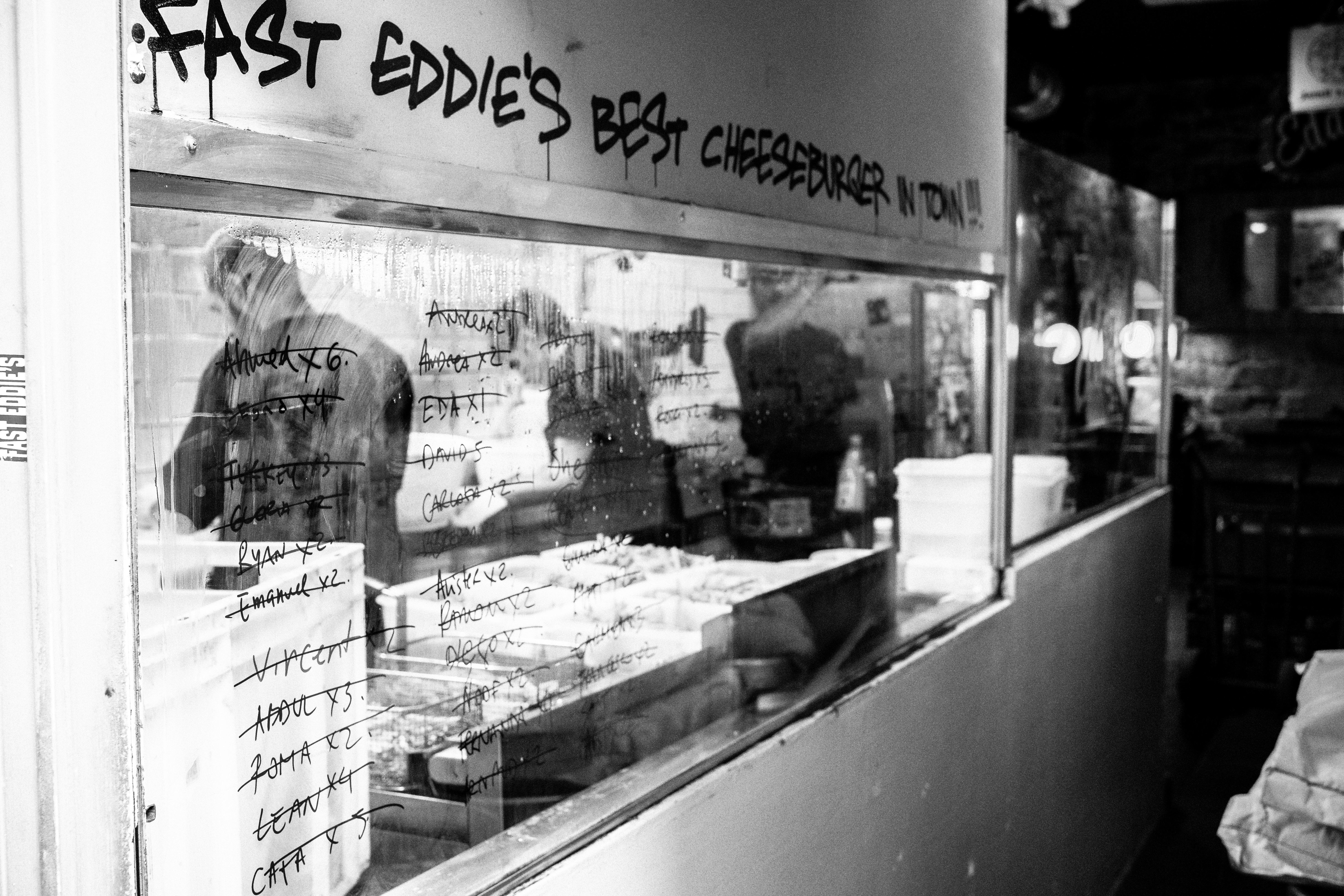
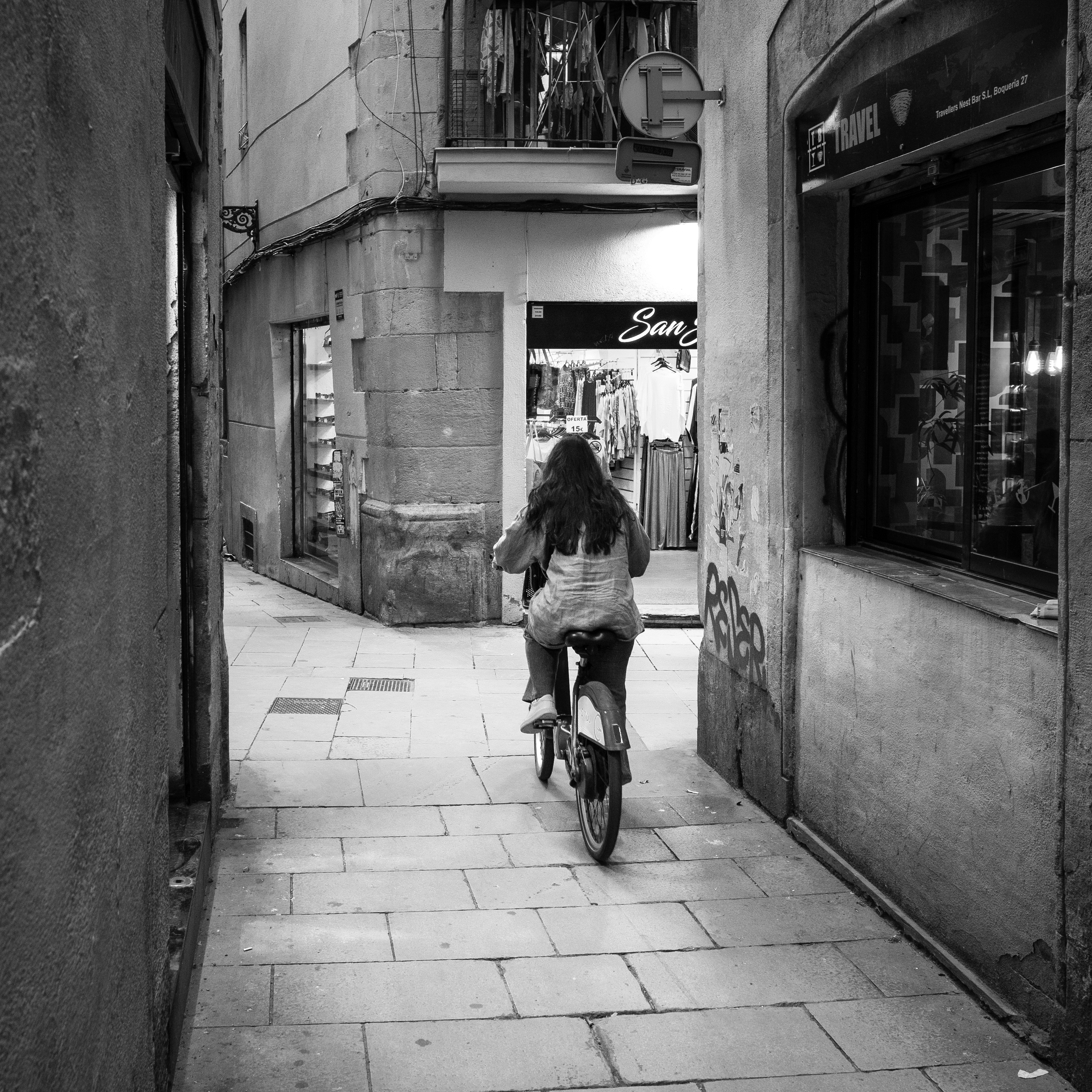
The flight landed just after 8 a.m. Wheels down, through customs, cab to the hotel, and at the AC Hotel Irla by 9:30. The hotel sits on Carrer de Calvet in Sant Gervasi — a quiet, well-heeled residential neighborhood a few blocks north of Avinguda Diagonal that operates at a completely different frequency than the tourist Barcelona most visitors experience. Boutique shops at street level, locals walking dogs, almost no one wearing a lanyard. I checked in, slept for two hours, showered, and was out the door with the Lumix S5 II by noon.
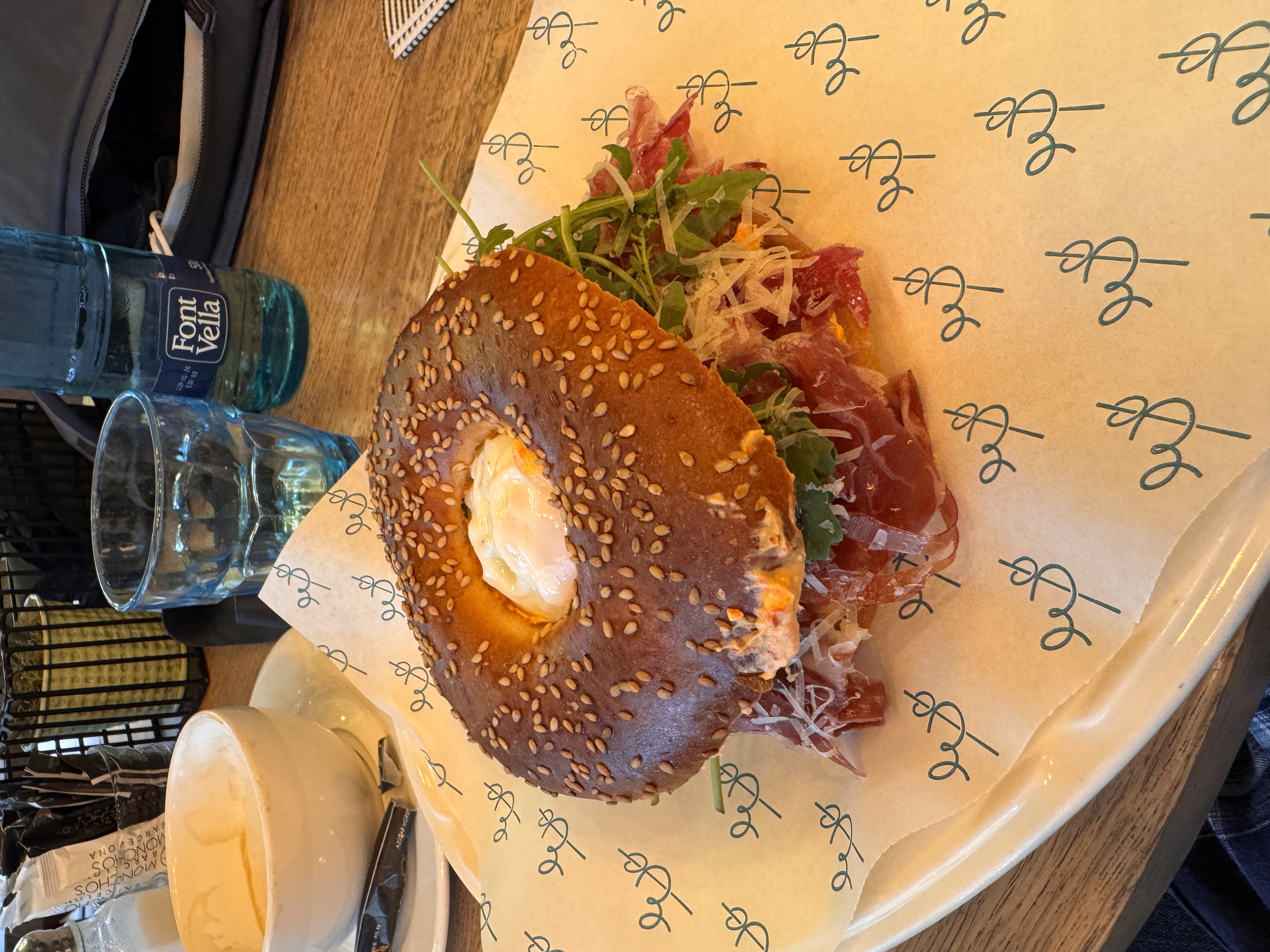
First stop was Cafe Europa on Avinguda Diagonal — a large, thoroughly local restaurant that has been doing exactly what it does for a long time and has no particular interest in explaining itself to visitors. It's not a hidden gem, it's just a good Barcelona institution: espresso arriving before you finish asking for it, locals occupying every table on a Saturday morning, a menu that makes no concessions to trend. I had the jamon bagel. The Diagonal is the great artery that bisects the Eixample grid at a 45-degree angle, and even at noon on a weekend it operates with a kind of steady commercial purpose that you don't find on La Rambla.
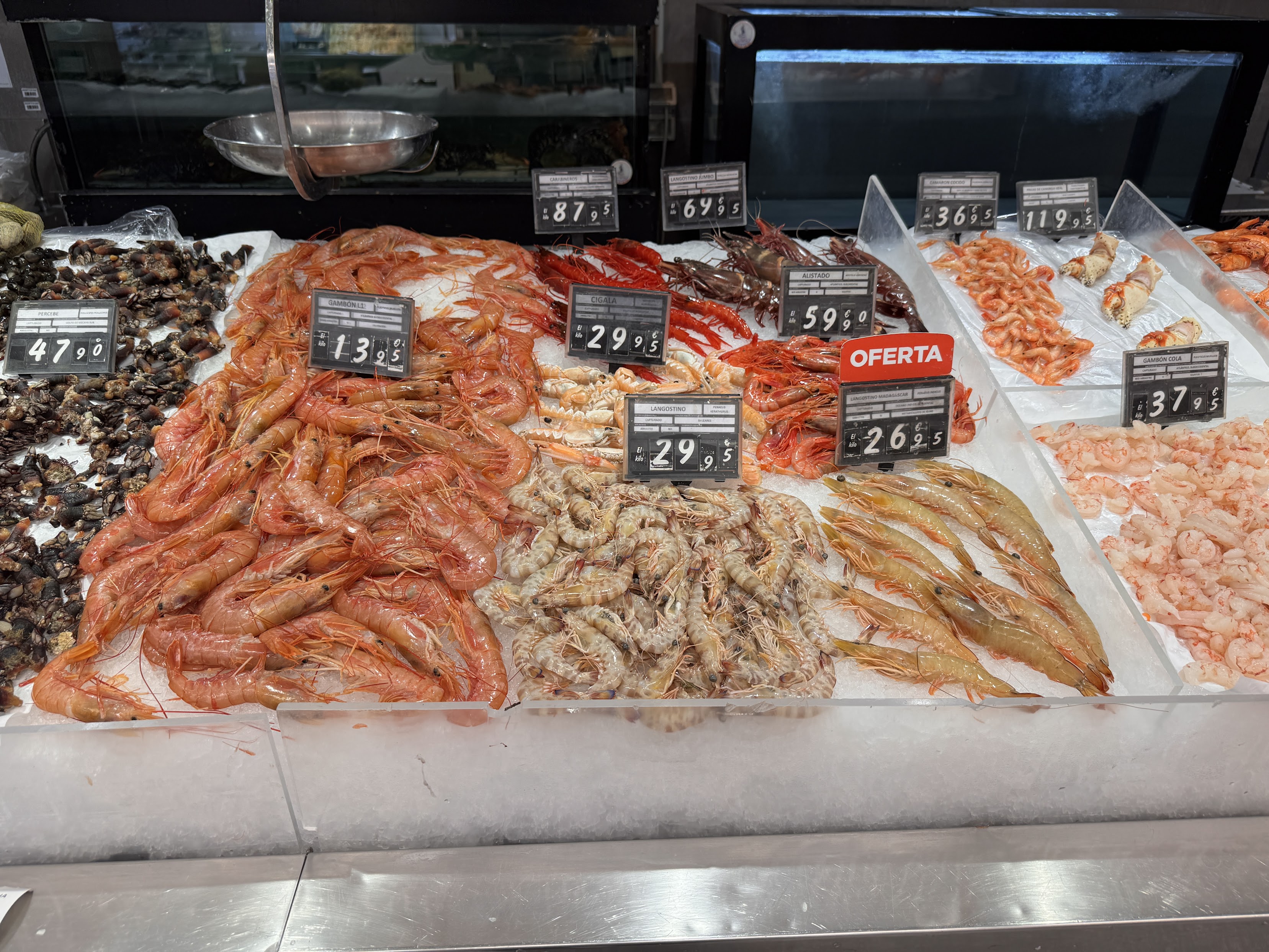
From the Diagonal I walked south through the Eixample toward La Rambla. La Boqueria — the covered market behind the iron arch off La Rambla — was the first major stop. It's one of those places that has been photographed so many times it risks becoming a cliché and somehow manages to transcend it anyway. The seafood counter alone justified the trip: rows of gambas and langoustines and shellfish arranged under handwritten price cards, vendors who had been working the same stalls for decades and had no particular interest in being photographed. I ate nothing at the market. That still feels like a mistake.
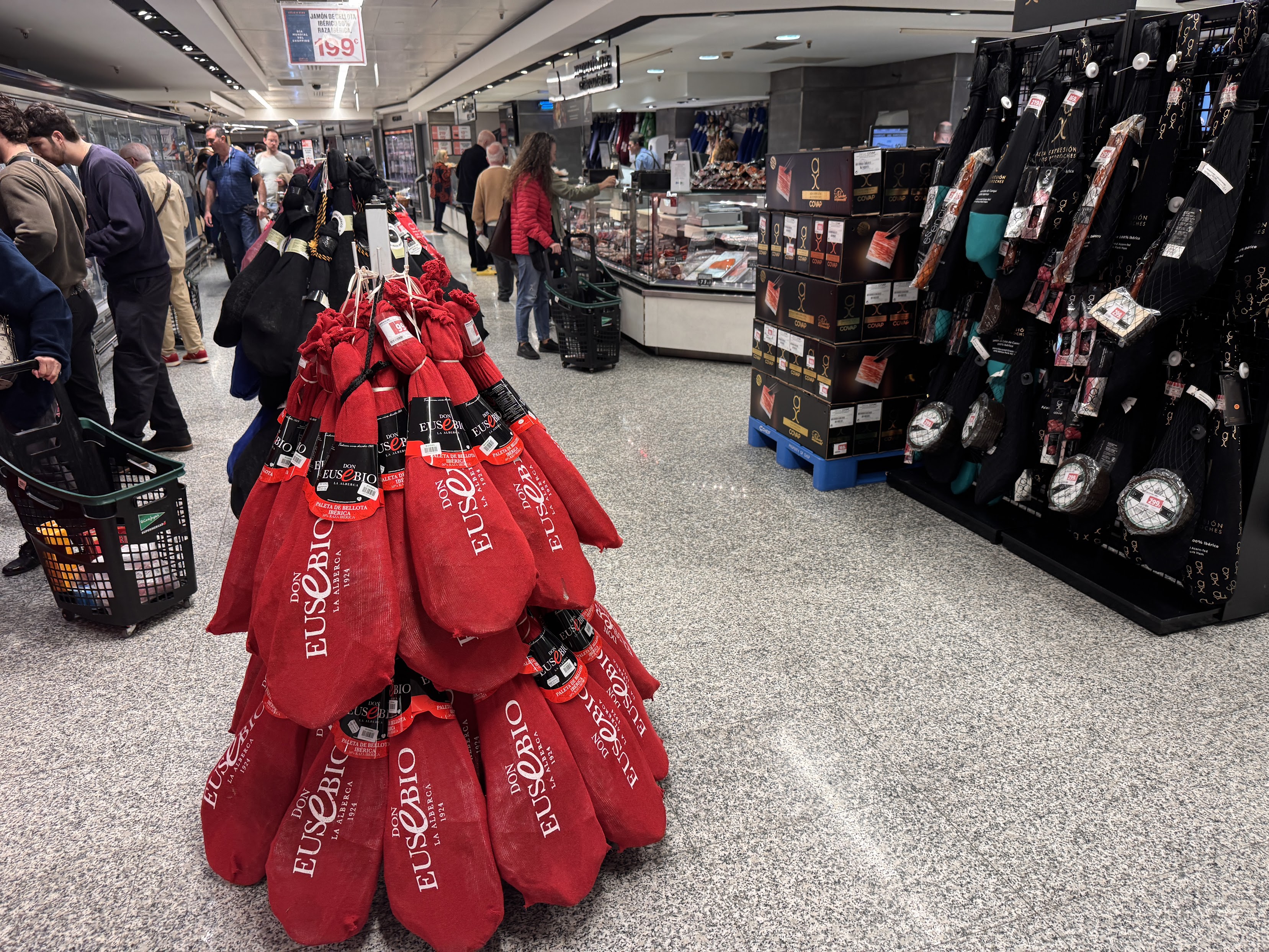
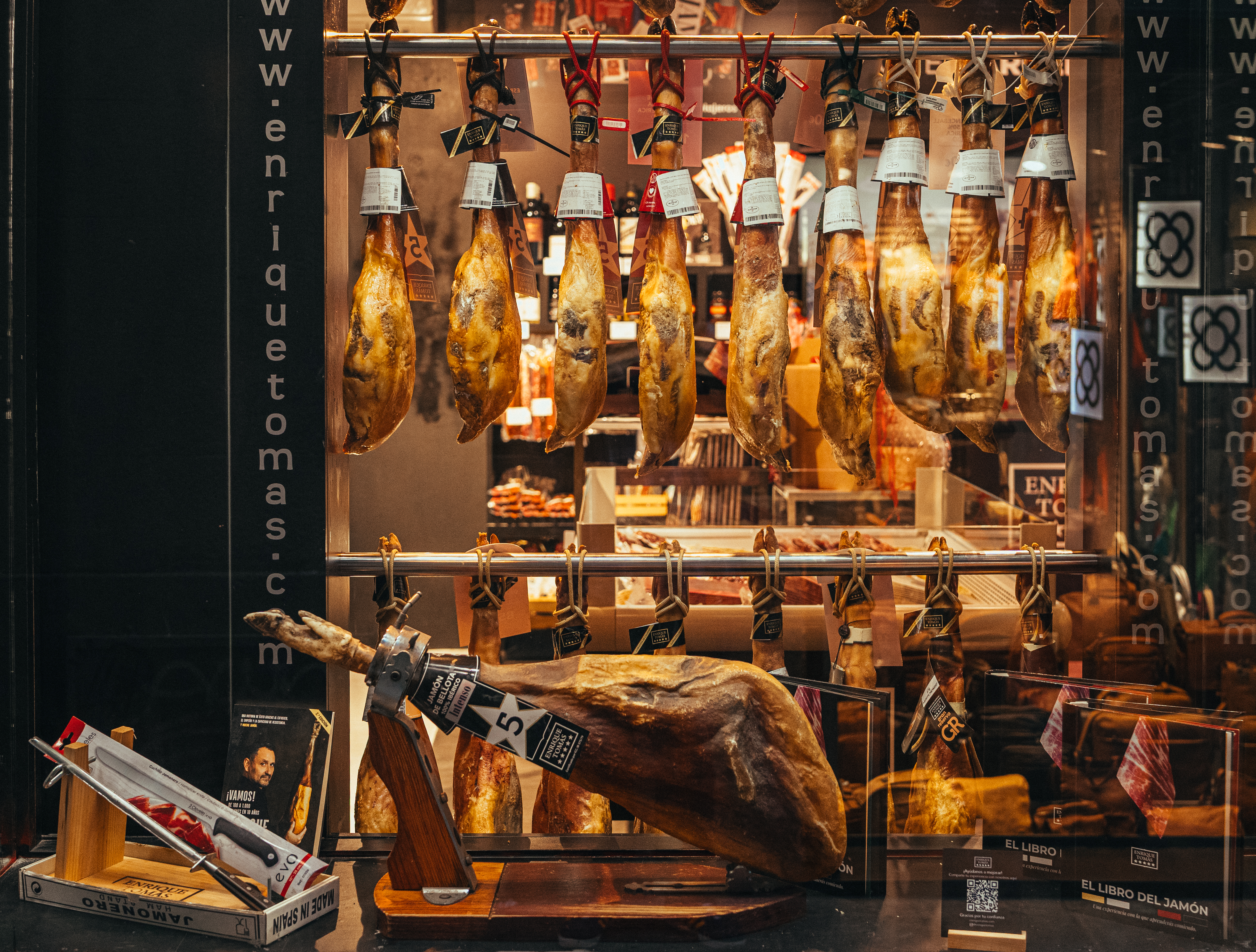
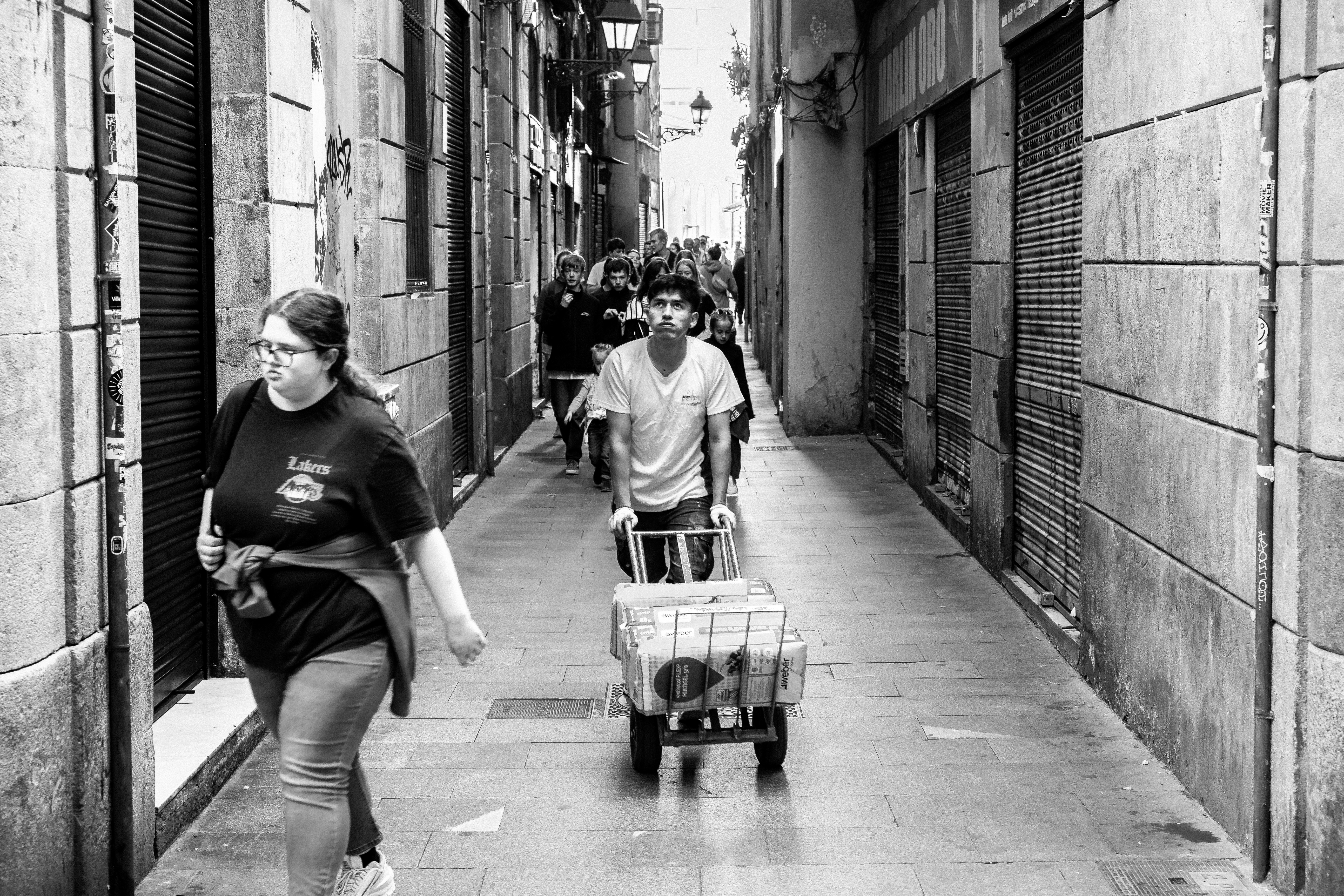
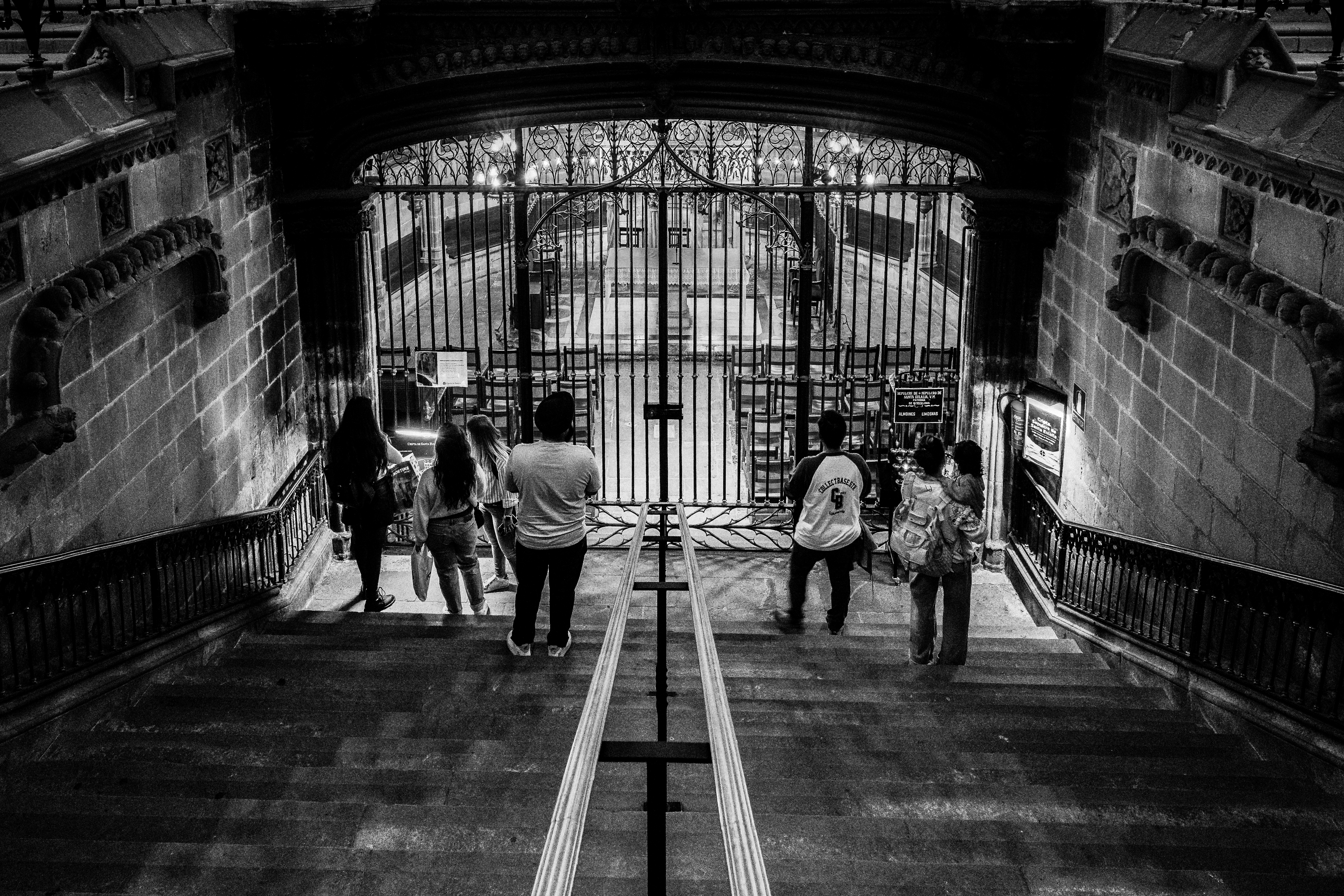
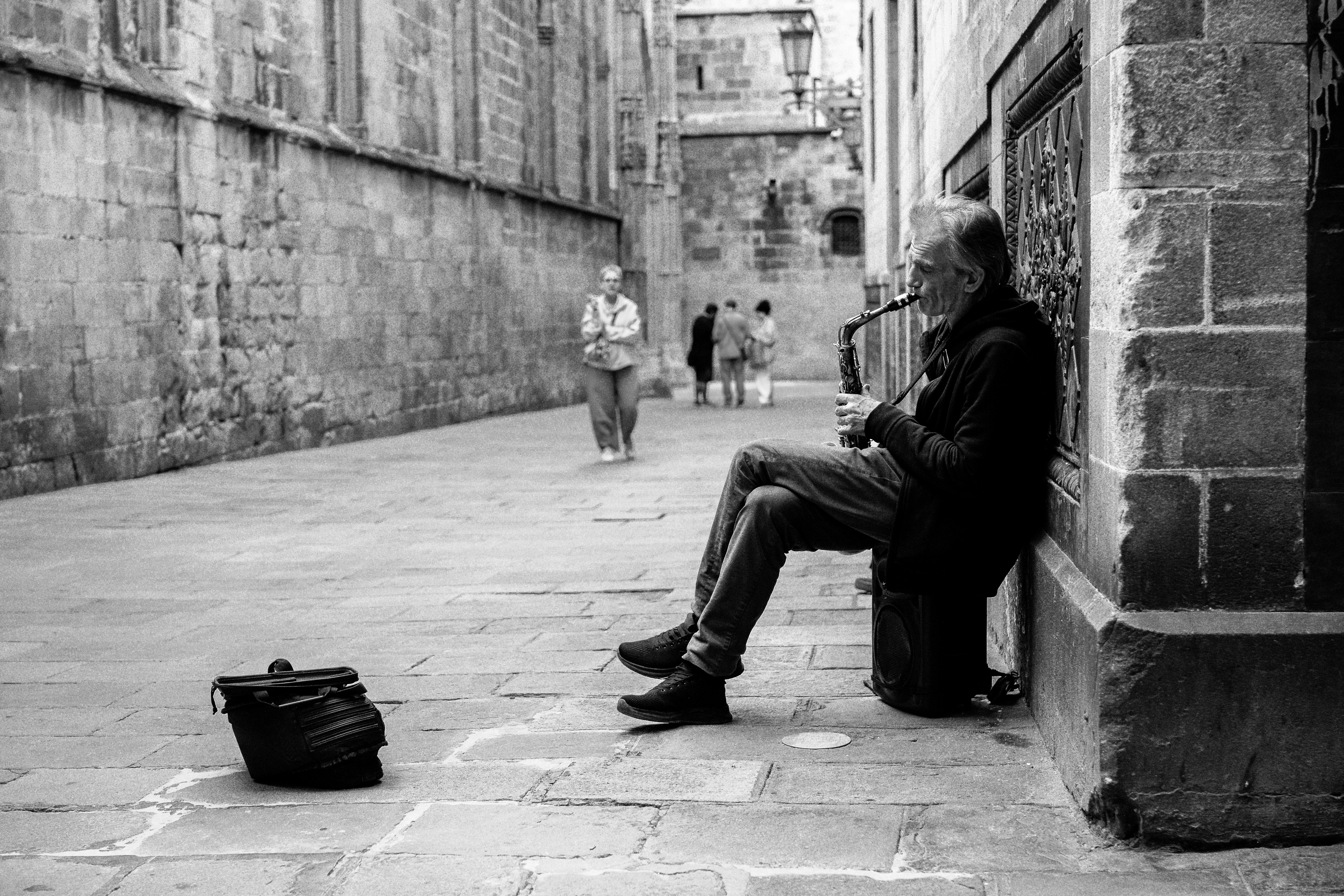
The afternoon went to the Gothic Quarter. The Barri Gòtic is the densest concentration of medieval architecture in Europe, and for street photography, it is almost unfairly good. Narrow lanes barely wide enough for a motorbike, limestone walls worn smooth by centuries of shoulders, wrought iron at every turn. I shot the ornate gate near the Plaça de Sant Felip Neri, a worker pushing his delivery cart through an alley so narrow the walls were practically brushing his elbows, the saxophonist who had claimed a corner of wall and appeared to have permanently retired there. The Cathedral of Barcelona anchors the whole neighborhood — Gothic, enormous, and somehow managing to feel intimate when you're standing in the square in front of it at four in the afternoon.
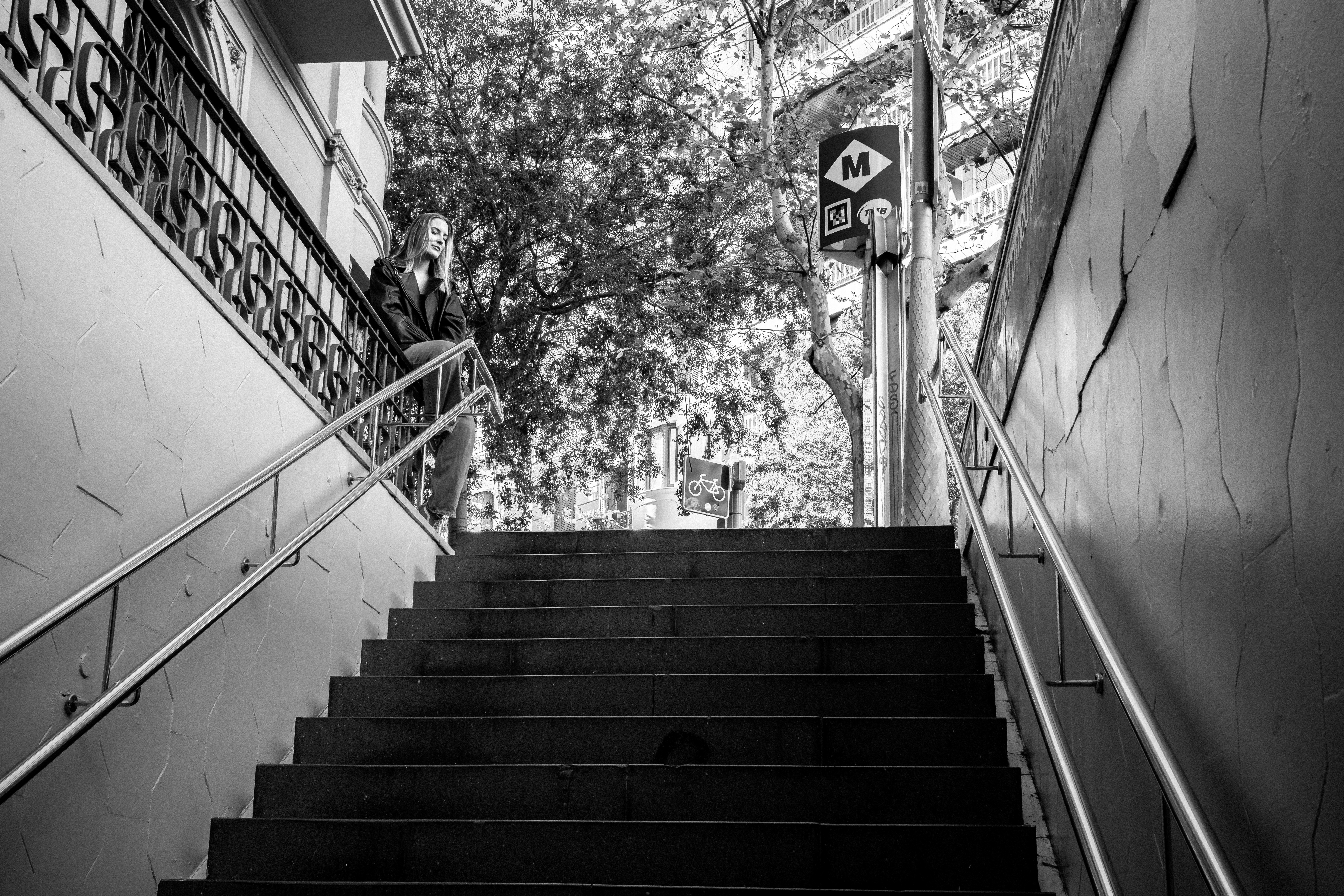
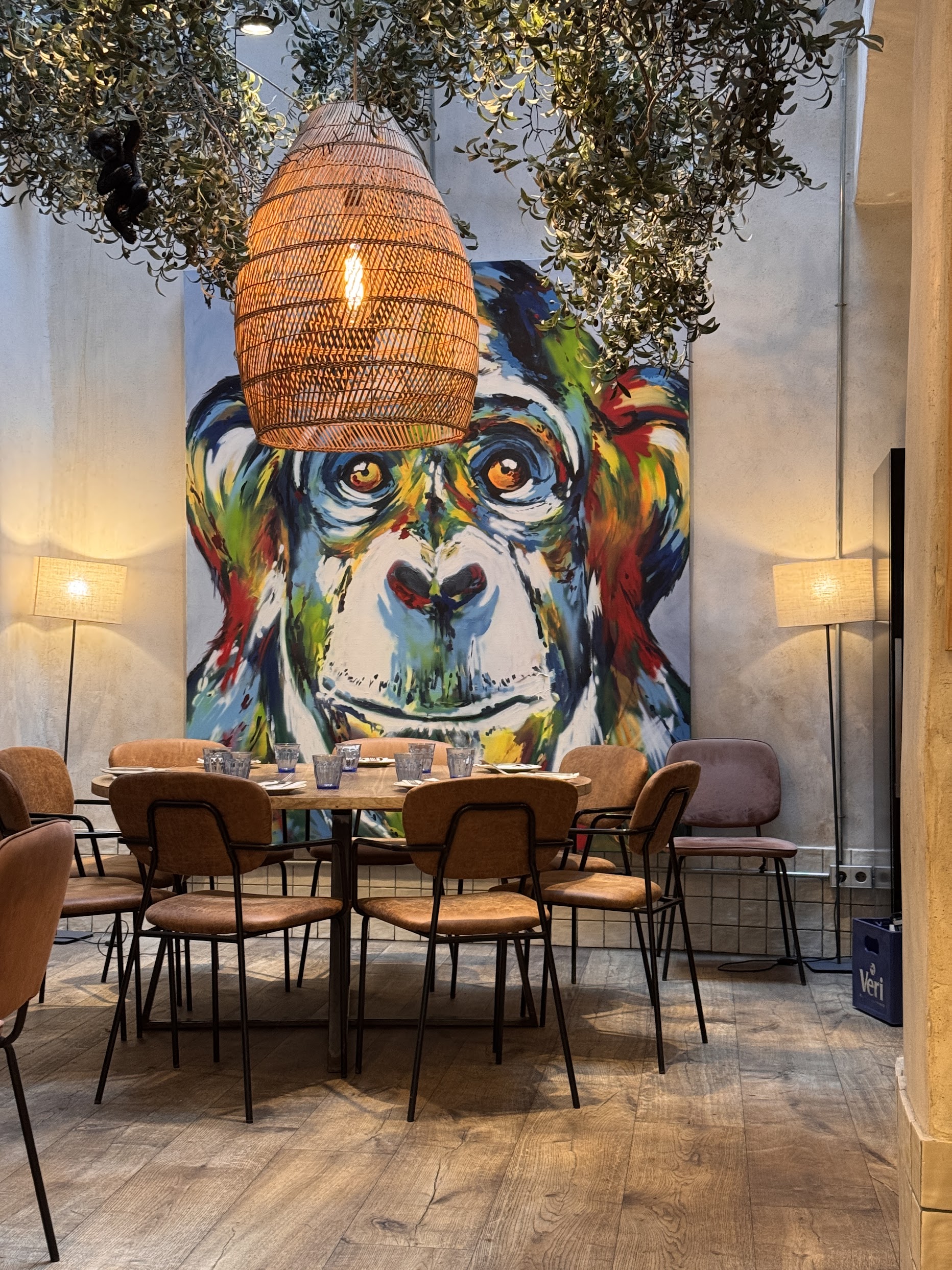
I found the Metro entrance by accident partway through the afternoon — the staircase descending from the street with the red M above it — and stopped long enough to see if it made a photograph. It did. I stopped for a beer at a place in the Quarter with a floor-to-ceiling chimp mural on the back wall and rattan pendant lamps doing their best. Local crowd, cold beer, no objections.
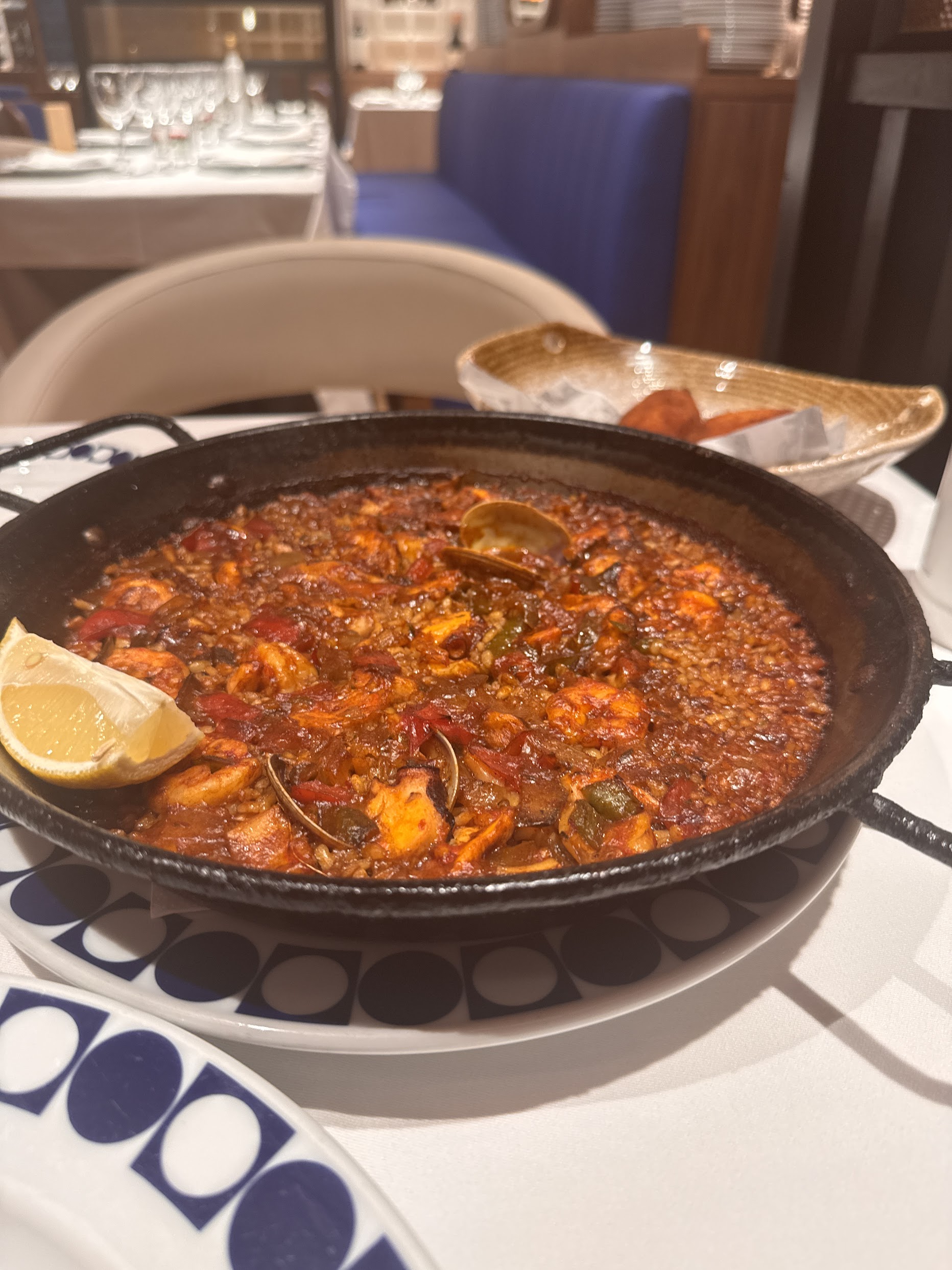
Dinner that evening was back near the hotel in Sant Gervasi — traditional paella made properly in a wide flat pan, with the socarrat on the bottom intact and lemon on the side. A cocktail to mark the end of a long first day. The neighborhood has exactly the kind of local restaurants that reward walking a few blocks from where you're staying rather than following a list.
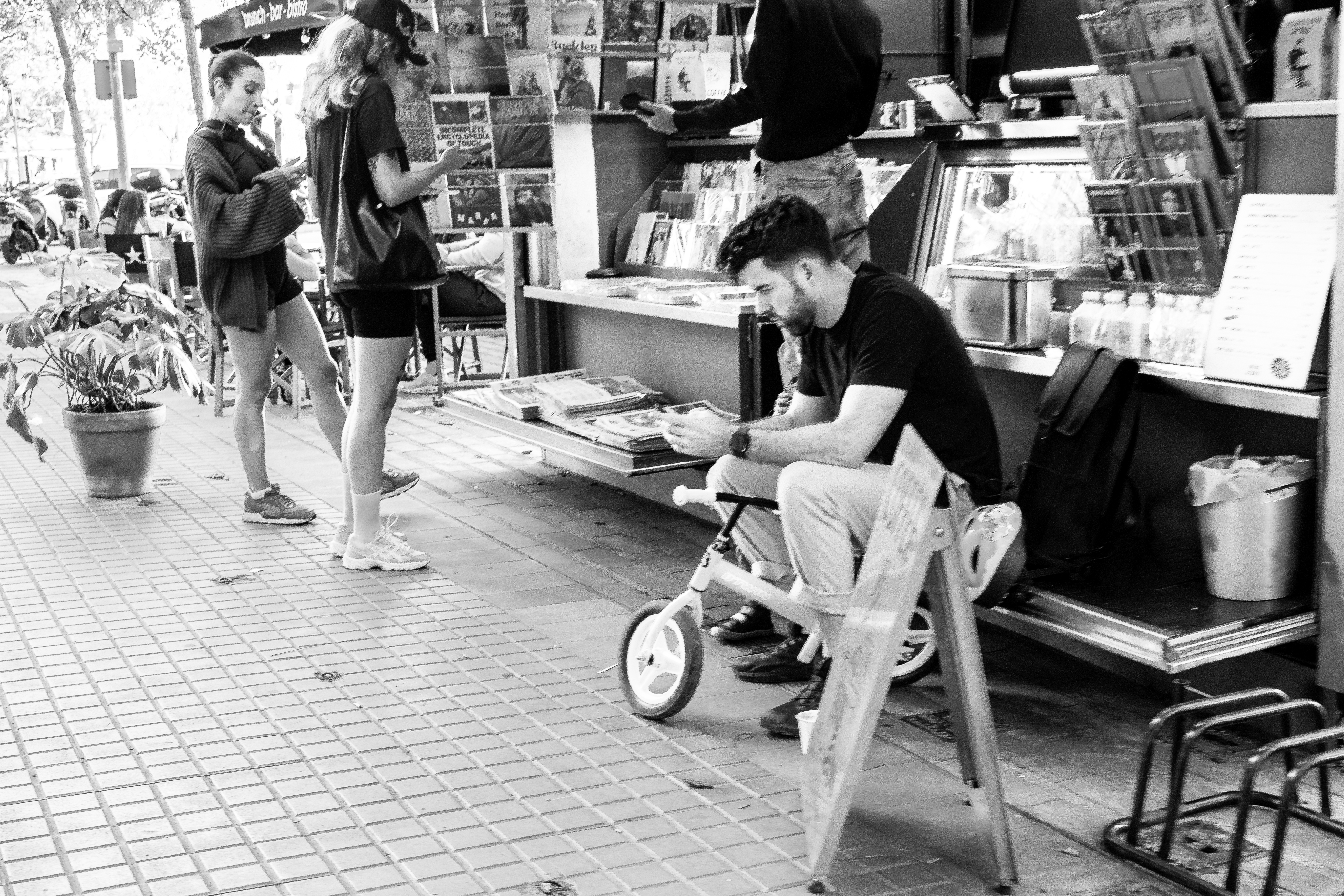
Sunday started on La Rambla again, early enough to catch the book stalls at the quiet end of the morning — vendors setting up, a man reading in his folding chair with a child's bike leaning against the stall like it had been parked there since the Franco era, the city transitioning from night to day without making any announcement about it. Then east to the Parc de la Ciutadella, Barcelona's great central park, where the city visibly exhales. In November it belongs to the residents: joggers, couples on benches, kids at the fountain, almost no one with a selfie stick.
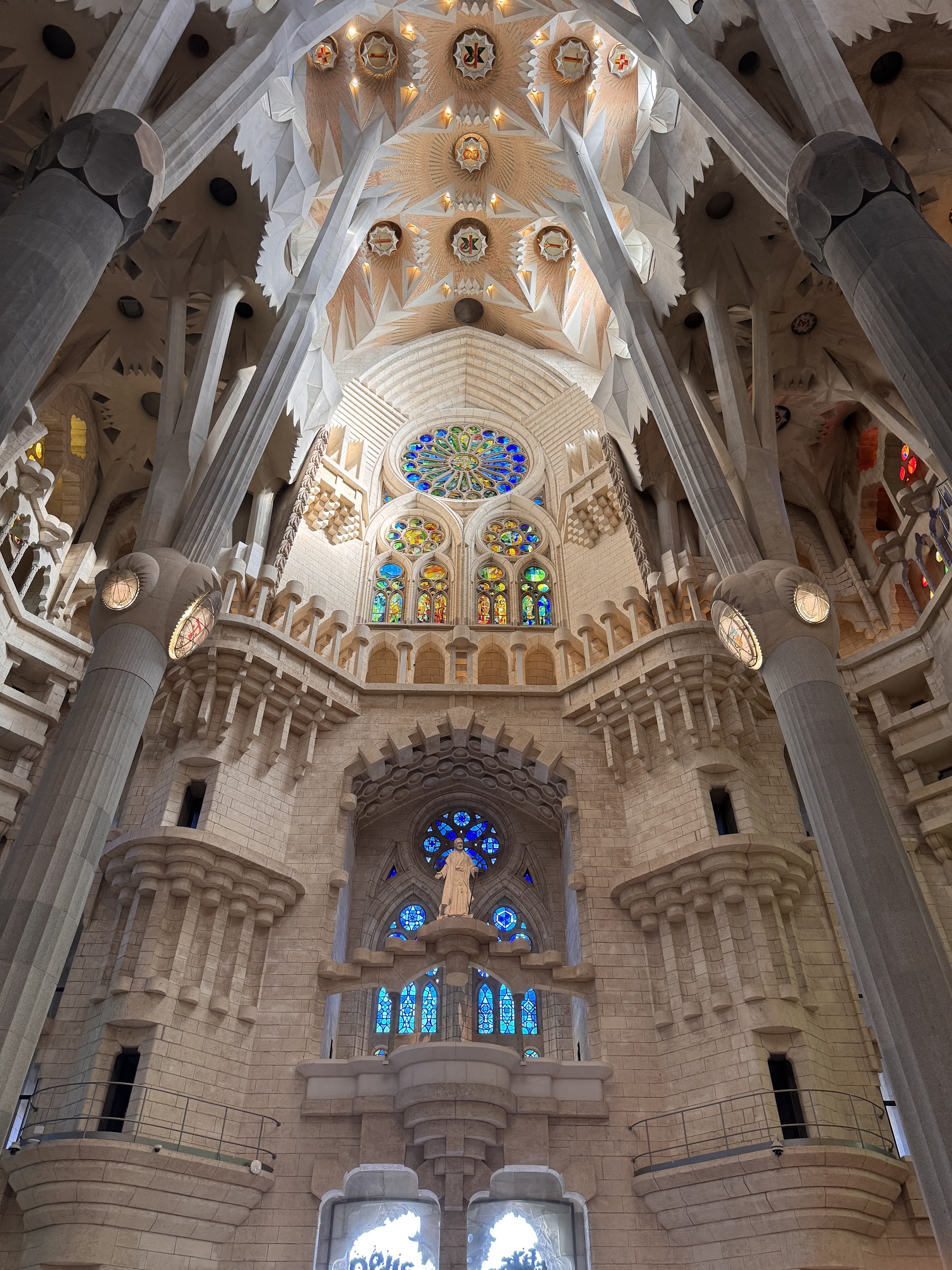
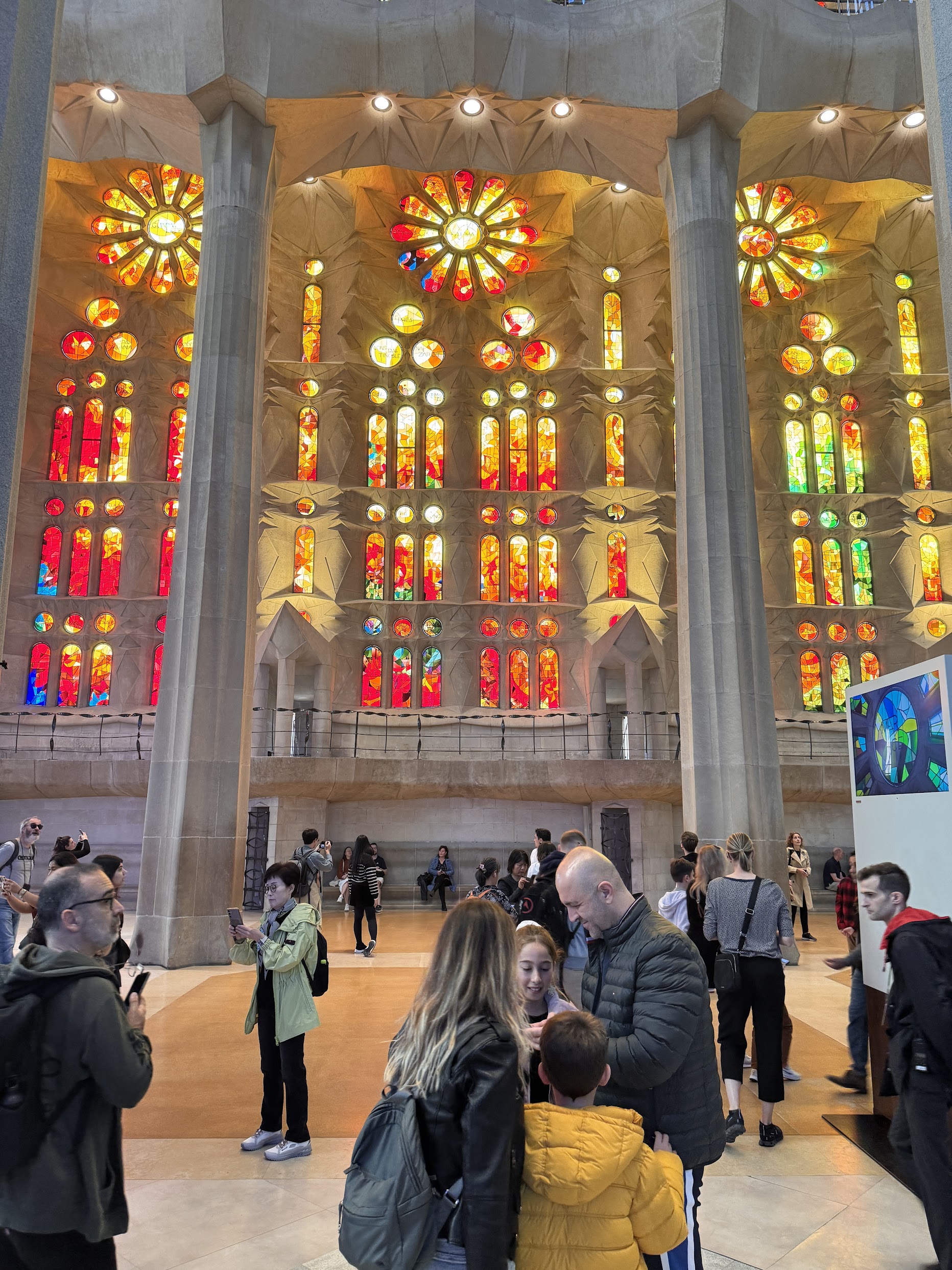
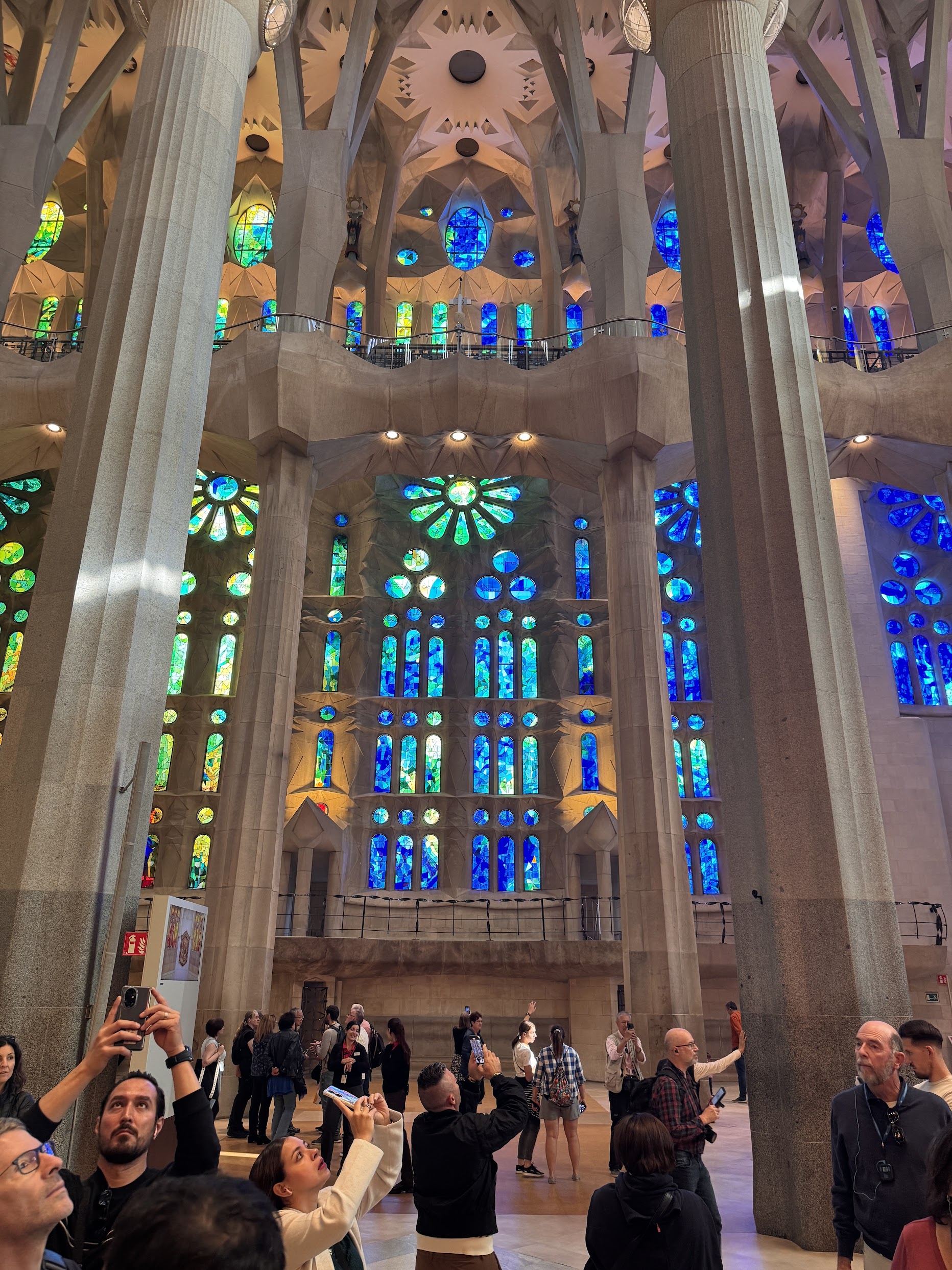
The afternoon was the Sagrada Família, which is obligatory the way some things just are. Every photograph you've seen in advance prepares you for exactly nothing about the actual experience of standing inside it. Gaudí designed the basilica so the east and west facades catch different light: the east windows glow in warm reds and oranges; the west runs cool blues and greens. Standing at the center in the afternoon, both walls are doing their thing simultaneously. It is not subtle. It was not meant to be subtle.
From the Sagrada I walked northwest to the Recinte Modernista de Sant Pau — Domènech i Montaner's former hospital complex, a UNESCO site that most Barcelona itineraries skip entirely because the Sagrada is right there. That is a mistake. The complex is a series of Art Nouveau pavilions set in gardens, with a level of ornamental detail that would be remarkable in a single building and is nearly overwhelming spread across a full city block. In November, with the crowds thin, it felt almost private.
Back through the Eixample to Sant Gervasi, dinner near the hotel again. The conference started Monday morning. I sat through sessions and took notes and did all the things conferences require, and when my attention drifted I thought about the Gothic Quarter — the saxophonist, the iron gate, the lanes so narrow they redirect sound back at you. ~40,000 steps over two days. 326 frames. The camera was almost incidental.